History of the MCC
The Story of Monterey’s Community Center
How the Wilson house became our community center
By 1796 the residents of early Monterey decided to move the Town Center, originally in the area of the Adonijah Bidwell House, to a more southerly position at the junction of Beartown and Carrington-Batelle Roads. There was an active subscription to build the new church, and by 1827 membership had grown to 164 persons.
In 1825 one Barnabas Bidwell bought property at the Second Center, and three years later became an active member of the congregation.
As the settlement prospered and grew, it became apparent that a third move was warranted, to a location further south with better roads and the advantage of water courses. A subscription was taken up in 1842, at which time Barnabas Bidwell pledged $25 for two shares. “The South Tyringham Meeting House Society” was established in 1846, and by 1849 the church was in use, at the location and in the building we know today.
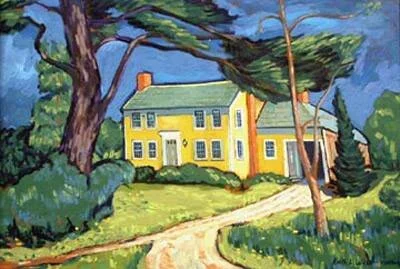
Barnabas had also looked southward; he had purchased two parcels in 1847 and an additional 13 acres in 1873. When he sold his property in 1880, it was described as “being about 100 rods southeast of the Meeting House.” It is what we now know as the Wilson/McLaughlin property on New Marlborough Road. The map of 1858 lists the property as “B. Bidwell, Rev. W. H. Phelps.” Rev. Winthrop H. Phelps was the second minister of the South Church, 1854-61. Stylistic characteristics and other references suggest that about 1850 the house was moved to its present location from the Second Center. Our later map of 1876 specifies the owner as “B. Bidwell.”
This property echoes in real historical time the migration and development of Monterey. It also embodies the spirit of those who lived here before us. It seems most fitting that its use continue as a vital resource in our community.
– Cynthia J. Weber
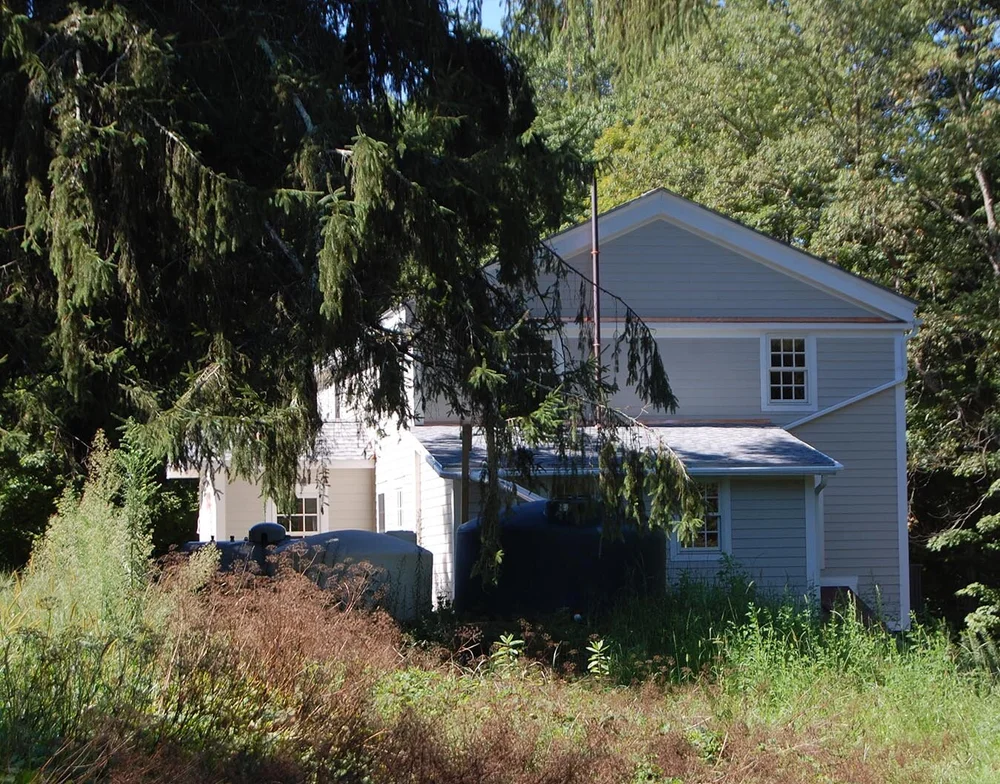
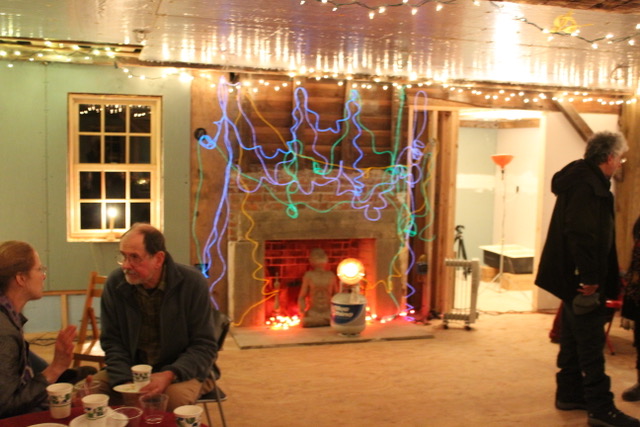
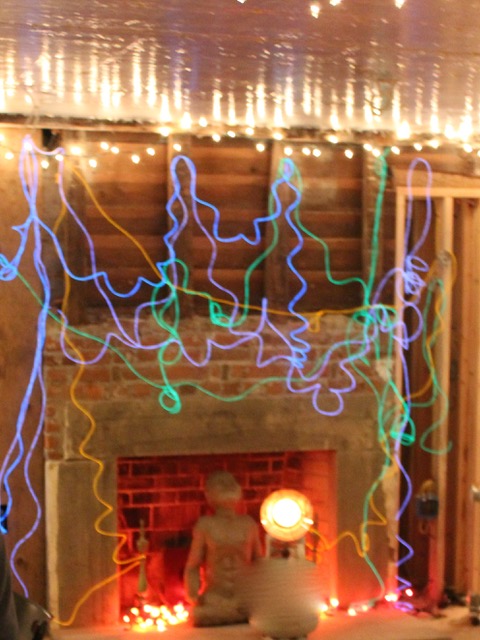
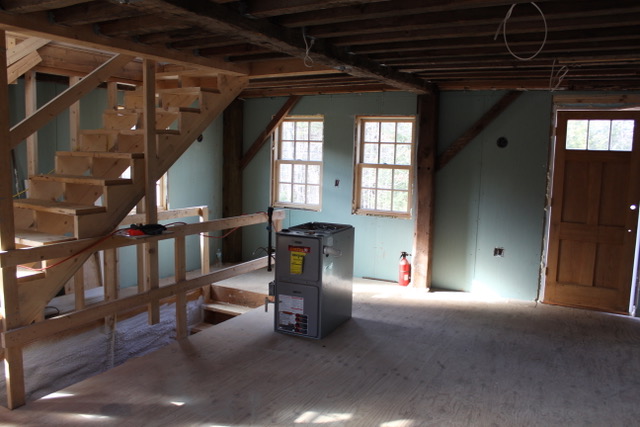
When Edith Wilson passed away in 1995, she bequeathed her house and land (28.6 acres) to the Town of Monterey with the stipulation that her old farmhouse be used for a municipal purpose. The land could not be sold once the townspeople accepted her gift, which they did at Town Meeting in May 1996. A committee was appointed, several plans were researched and abandoned, and the property was neglected for all intents and purposes until the committee of 2004 decided on the current plan of renovation to create a community center.
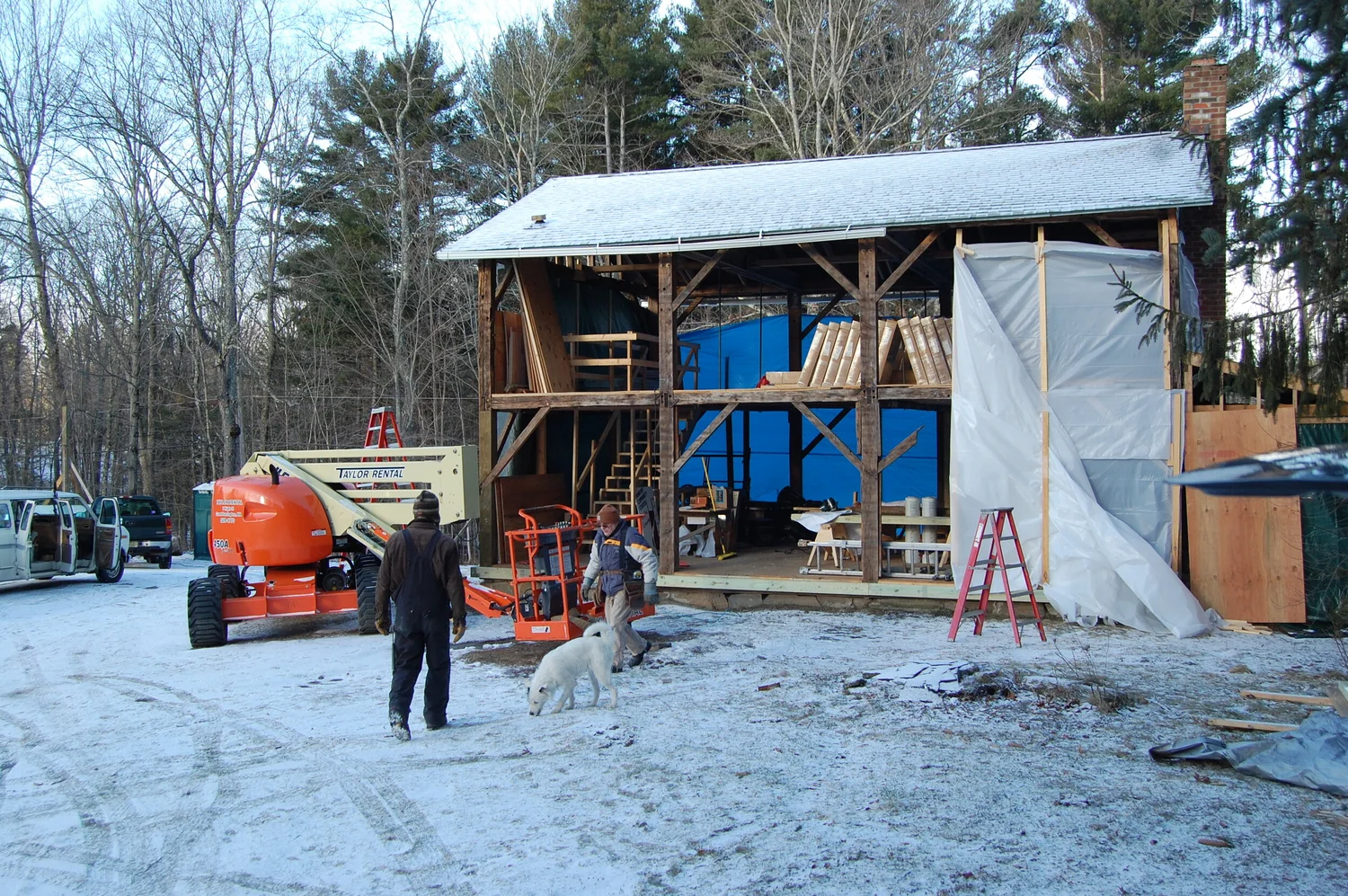
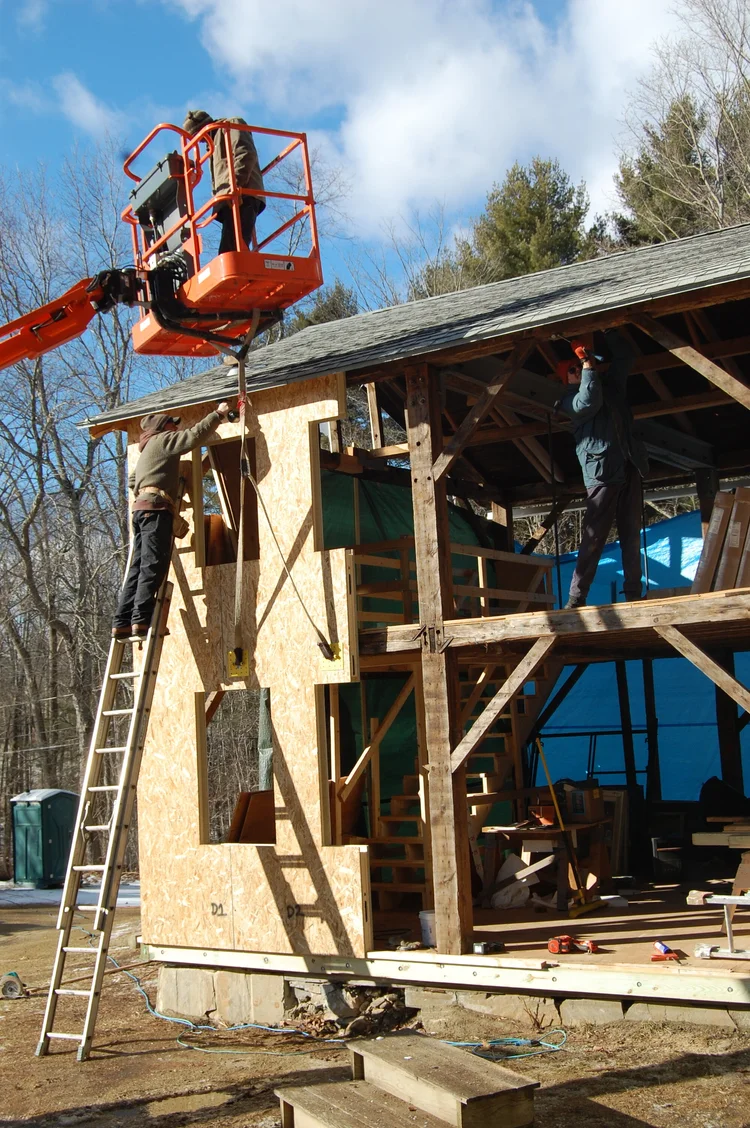
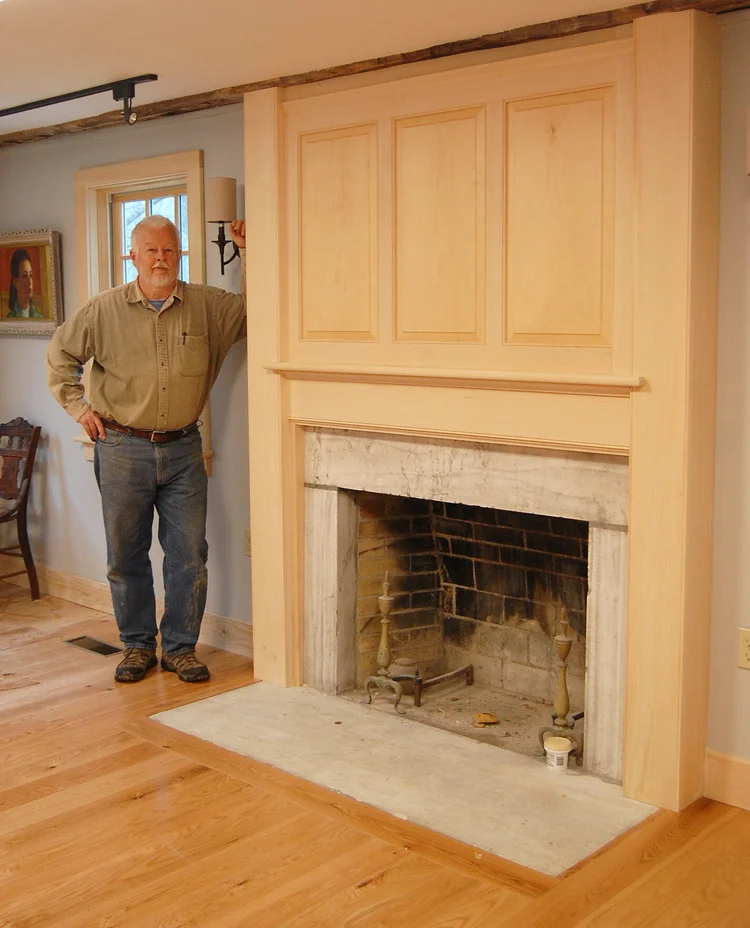
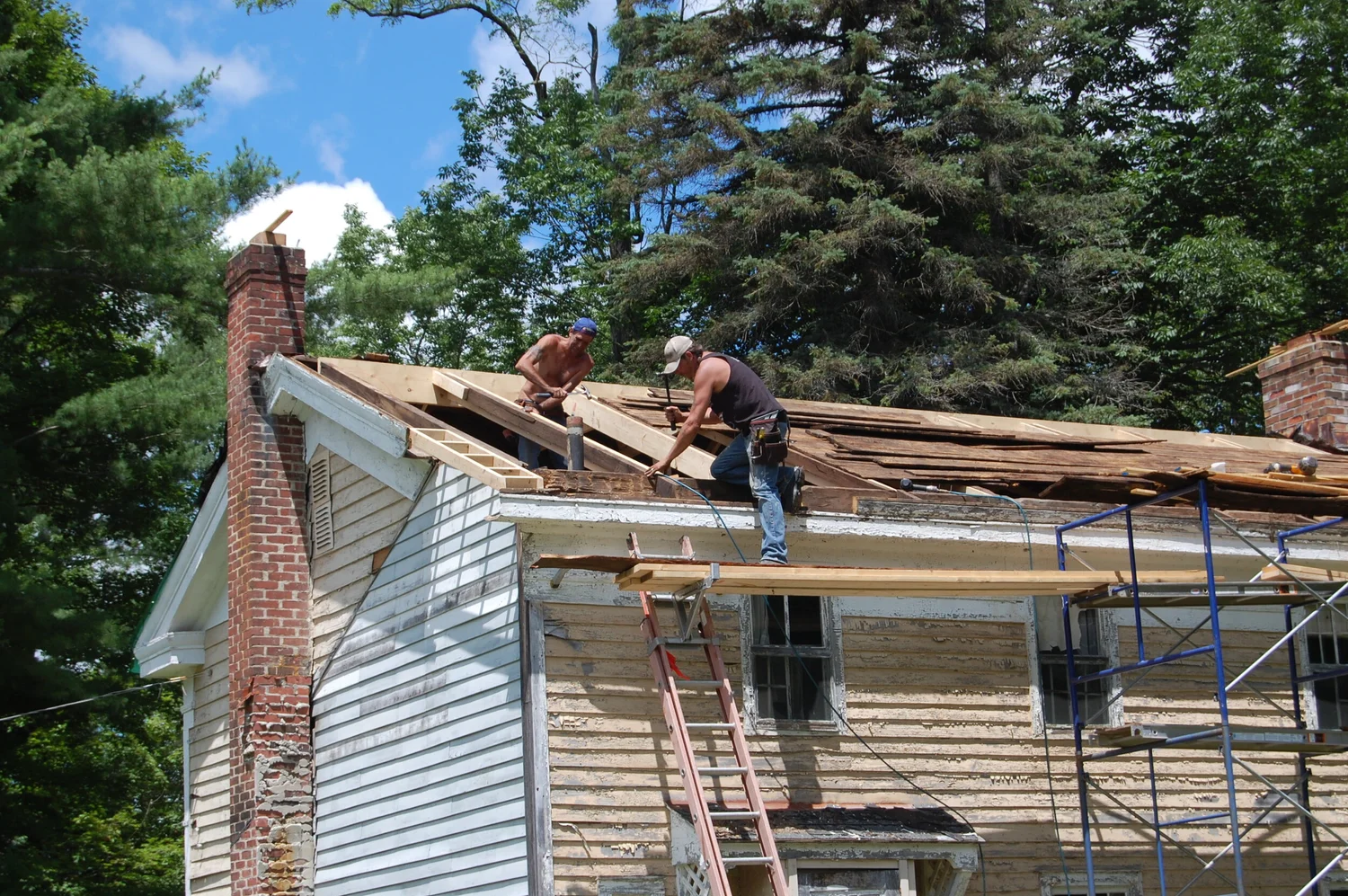
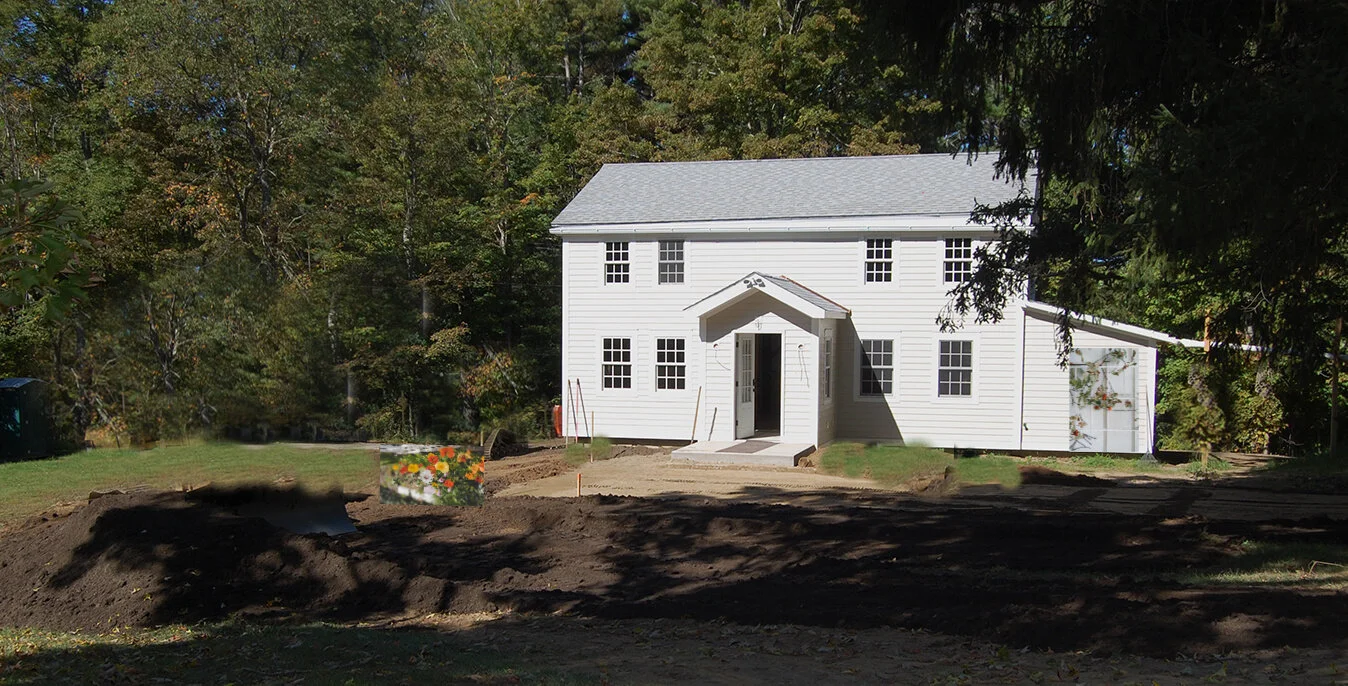
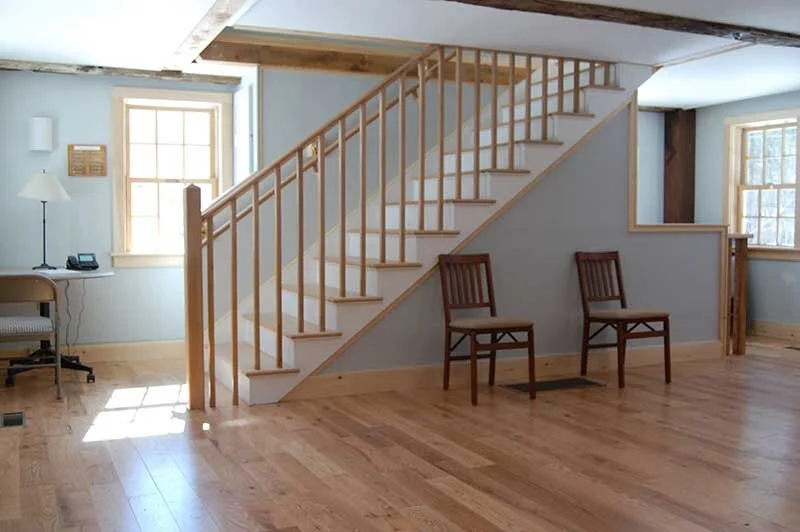
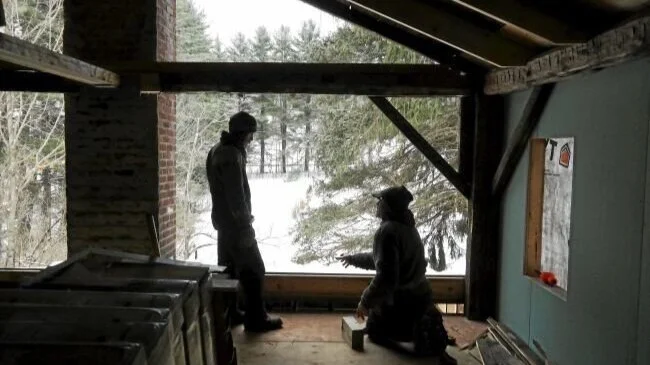
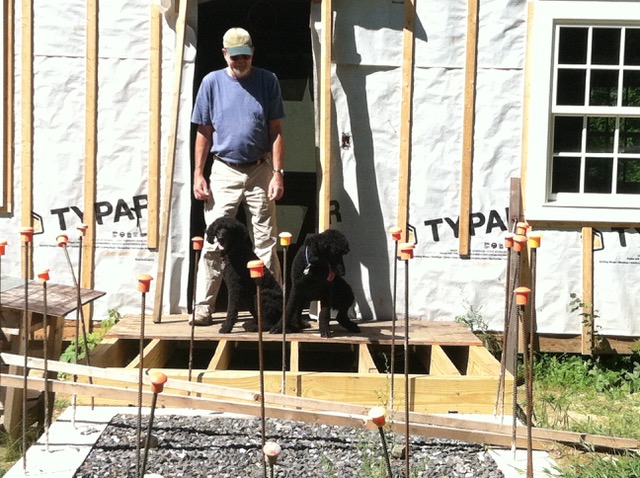
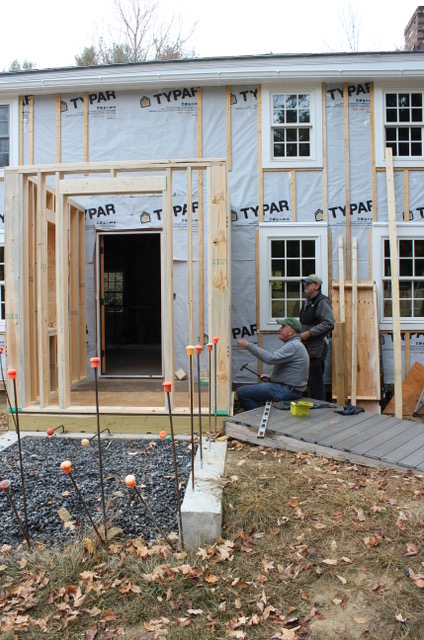
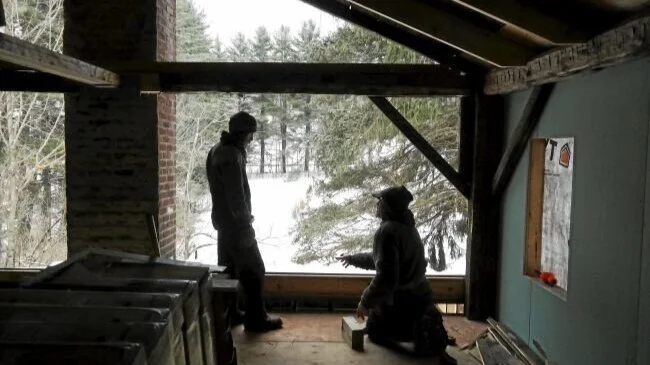
Years passed with progress slowly forward, removing hazardous materials, lead-painted woodwork, rotting floor joists, and so on. In the end FWMH raised over $300,000 to complete the renovation using professional tradesmen and craftsmen where necessary, and volunteer labor for much of the work. Monterey voters cooperated by awarding $95,000 in three grants, and we applied for and were awarded two grants from the Massachusetts Cultural Council totaling $65,000. The remainder of the funding came from private donations and event income.
The Certificate of Occupancy was granted on April 12, 2017, about 12 1/2 years after the WMH committee decided to create the community center.
The bequest of our property donor, Edith Wilson
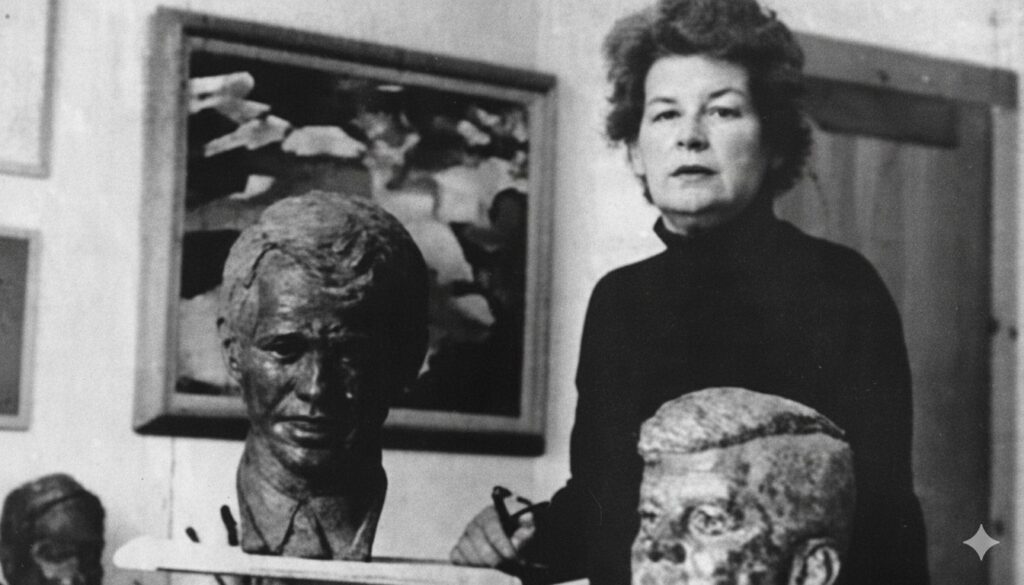
Edith Lavinia Wilson (1913-1995)
Edith Wilson was a long-term resident of Monterey whose enduring contributions to the town enrich us all.
Edith was born in Cairo, Illinois, and moved to Monterey in 1942 with her friend and fellow-graduate of the Chicago Art Institute, Marjorie McLaughlin (d. 1991). She was a versatile artist, working as a painter, sculptor and architect. Many of her oil paintings are in the possession of the Town, with some hanging currently in the Town Hall, and her design for the Town Seal still represents Monterey on many a document, T-shirt and coffee mug.
Ms. Wilson was active in town affairs for many years, with service on the School Board, Planning Board, Board of Appeals and Historical Commission. In fact, she was a pivotal figure in the establishment of the first Zoning By-Law in town and the initial Planning Board. Later she worked on the effort to pass State legislation allowing election of Planning Board officials; Monterey was the first township in the Commonwealth to elect a Planning Board.
In addition to her bequest of house and land to the Town, Edith Wilson also established a scholarship fund which assists Monterey youth with their college expenses; the McLaughlin-Wilson Scholarship Fund is managed by the Berkshire Taconic Community Foundation and is a critical aid in the college education of numerous Monterey children.
The timeline of the center’s development
By 1796 the residents of early Monterey decided to move the Town Center, originally in the area of the Adonijah Bidwell House, to a more southerly position at the junction of Beartown and Carrington-Batelle Roads. There was an active subscription to build the new church, and by 1827 membership had grown to 164 persons.
In 1825 one Barnabas Bidwell bought property at the Second Center, and three years later became an active member of the congregation.
As the settlement prospered and grew, it became apparent that a third move was warranted, to a location further south with better roads and the advantage of water courses. A subscription was taken up in 1842, at which time Barnabas Bidwell pledged $25 for two shares. “The South Tyringham Meeting House Society” was established in 1846, and by 1849 the church was in use, at the location and in the building we know today.
Barnabas had also looked southward; he had purchased two parcels in 1847 and an additional 13 acres in 1873. When he sold his property in 1880, it was described as “being about 100 rods southeast of the Meeting House.” It is what we now know as the Wilson/McLaughlin property on New Marlborough Road. The map of 1858 lists the property as “B. Bidwell, Rev. W. H. Phelps.” Rev. Winthrop H. Phelps was the second minister of the South Church, 1854-61. Stylistic characteristics and other references suggest that about 1850 the house was moved to its present location from the Second Center. Our later map of 1876 specifies the owner as “B. Bidwell.”
This property echoes in real historical time the migration and development of Monterey. It also embodies the spirit of those who lived here before us. It seems most fitting that its use continue as a vital resource in our community.
– Cynthia J. Weber
When Edith Wilson passed away in 1995, she bequeathed her house and land (28.6 acres) to the Town of Monterey with the stipulation that her old farmhouse be used for a municipal purpose. The land could not be sold once the townspeople accepted her gift, which they did at Town Meeting in May 1996. A committee was appointed, several plans were researched and abandoned, and the property was neglected for all intents and purposes until the committee of 2004 decided on the current plan of renovation to create a community center.
Years passed with progress slowly forward, removing hazardous materials, lead-painted woodwork, rotting floor joists, and so on. In the end FWMH raised over $300,000 to complete the renovation using professional tradesmen and craftsmen where necessary, and volunteer labor for much of the work. Monterey voters cooperated by awarding $95,000 in three grants, and we applied for and were awarded two grants from the Massachusetts Cultural Council totaling $65,000. The remainder of the funding came from private donations and event income.
The Certificate of Occupancy was granted on April 12, 2017, about 12 1/2 years after the WMH committee decided to create the community center.
How it Came to Be
Looking back at the MCC renovation is a powerful reminder of what we can achieve together. Thousands of volunteer hours and the incredible generosity of our donors transformed this dream into the vibrant hub it is today. To everyone who swung a hammer, wrote a check, or shared a vision: this is your legacy. Thank you for building a home for all of Monterey!